
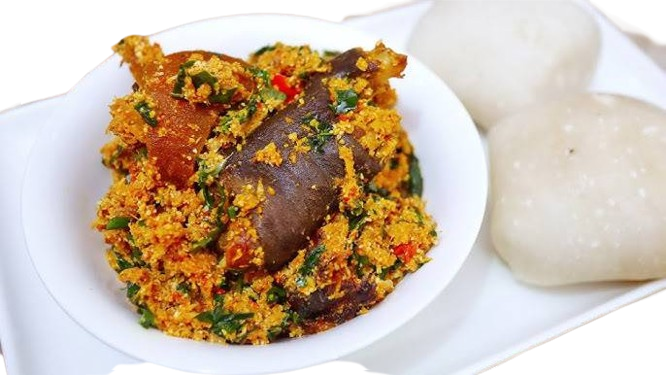
Introduction to Amala
Amala is a cherished dish within Nigerian cuisine, particularly prominent in Yoruba culture. Primarily crafted from yam flour, cassava flour, or a combination of both, this dish is celebrated for its unique texture and versatility. The preparation of Amala involves mixing the flour with hot water until it achieves a smooth, stretchy consistency, which is characteristic of the dish. This process is an art form in itself, and the skill involved can vary from one cook to another, often defining the quality of the final product.
Historically, Amala has its roots in the southwestern regions of Nigeria, where it has maintained its status as a staple food over generations. The dish not only serves as a source of nourishment but also embodies cultural practices and social gatherings. It is often paired with various soups and stews, including ewedu soup, gb egiri, and amala with okra, which enhances its flavor and nutritional value. Each blend offers a distinct tasting experience that reflects the preferences of many families across Nigeria.
The significance of Amala extends beyond its culinary appeal; it has become a symbol of identity for many Nigerians. In social functions, partaking in this dish often fosters communal bonds, inviting friends and family to gather around the table. Notably, in Abuja, the capital city, Amala has garnered immense popularity, appealing to both locals and visitors keen to experience authentic Nigerian flavors. Thus, Amala represents not only a beloved meal but also a vital part of the social and cultural fabric that ties many Nigerians to their heritage.
Where to Find the Best Amala in Abuja
Abuja, the vibrant capital of Nigeria, boasts a rich culinary scene that showcases traditional dishes like Amala. For those seeking to savor authentic Amala, several establishments stand out for their exceptional offerings and unique preparations. Below is a guide to some of the best places in the city to enjoy this beloved dish.
One of the most renowned spots is **Mama Olie’s Amala Kitchen**, celebrated for its traditional approach to Amala. This restaurant serves three varieties of Amala: the classic, yummy Spenish (brown) variant, and the health-conscious gluten-free version. Mama Olie’s prides itself on using fresh ingredients and traditional recipes that transport diners to the heart of Yoruba cuisine, making it a favorite among both locals and visitors.
Another must-visit location is **Iya Basira’s Amala Joint**. Known for her secret spice blend, Iya Basira offers Amala that stands out in flavor and texture. Customers rave about her special Egusi soup, which perfectly complements the Amala, creating a delightful combination. The casual ambiance of the joint adds to its appeal, allowing for a truly local dining experience.
For those looking to enjoy a more upscale dining experience, **Bistro 7** offers a modern twist on traditional Amala. Their Amala is served with a variety of gourmet soups, including Ofe Nsala (White Soup) and Efo Riro (Vegetable Soup), crafted with meticulous attention to detail. Bistro 7’s fusion approach not only showcases the traditional flavors but also introduces a contemporary flair that attracts food enthusiasts.
Finally, **Amala Spot** located in the bustling area of Wuse, is a great choice for those looking to enjoy Amala in a more casual setting. This eatery serves large portions at affordable prices, and their signature offering is the Amala paired with Gbegiri (Bean Soup), a combination that locals swear by. The lively atmosphere here makes it a popular gathering spot for friends and family.
These establishments exemplify the diversity and richness of Amala in Abuja, providing an authentic culinary experience for both residents and tourists alike. Whether one prefers traditional flavors or innovative delights, Abuja’s Amala scene has something to offer everyone.
The Perfect Accompaniments for Amala
Amala, a well-regarded staple in Nigerian cuisine, is often paired with traditional sides that elevate its overall flavor and presentation. The most iconic accompaniments are Ewedu soup, Gbegiri, and various meat stews. Each of these dishes carries its own unique texture and flavor profile, creating a harmonious dining experience when enjoyed with Amala.
Ewedu soup, made from the tender leaves of the jute plant, is particularly popular in the southwestern regions of Nigeria. Its slimy texture, often considered a culinary delight, complements the smoothness of Amala. Ewedu is rich in nutrients, making it not only a delicious option but also a healthy one. It is traditionally prepared with spices and sometimes enhanced with locust beans, which contributes to its deep flavor. The pairing of Amala with Ewedu soup creates a classic combination that is cherished during family gatherings and societal festivities.
Another accompaniment, Gbegiri, is a bean soup made primarily from black-eyed peas. It features a creamy consistency and a rich flavor that pairs excellently with the earthy taste of Amala. Gbegiri can be enriched with seasonings and sometimes combined with bits of meat, delivering an indulgent taste experience. It is a popular choice during special occasions and often served alongside Ewedu and meat stews, allowing diners to enjoy a variety of textures and flavors.
The inclusion of various meat stews, such as Ayamase or Ofada stew, further intensifies the enjoyment of Amala. These stews often contain a blend of spices that contribute to a savory depth, enriching the overall plate. Serving these accompaniments during cultural celebrations and communal meals reflects the significance of Amala in Nigerian tradition, offering not just nourishment but a shared experience that binds family and friends together.
Personal Experiences and Testimonials
Amala, a traditional Nigerian dish, has etched its mark onto the culinary landscape of Abuja, capturing the hearts and palates of both locals and visitors. The experience of savoring this unique delicacy often comes with personal stories that illustrate its significance in the cultural tapestry of the city. For many residents, Amala offers a taste of home, representing cherished memories and family gatherings. One local, Adeola, recalls her childhood, when her mother would prepare a steaming bowl of Amala every Sunday, urging her to invite friends over to share in the delightful meal. “The aroma was always inviting, and the taste could not be rivaled. Even now, every bite brings back those fond memories,” she shares.
Newcomers to Abuja often find themselves enchanted by Amala’s distinct flavor and texture. John, an expatriate who recently moved to Nigeria, describes his initial encounter with the dish as nothing short of transformative. “I was skeptical at first, having never tried anything like it. However, after the first taste, I instantly understood the hype. The smooth, stretchy texture of the Amala alongside a rich vegetable soup opened my eyes to new culinary experiences,” he notes. His newfound appreciation for this local dish has since led him to explore various eateries in Abuja, each with a unique twist on the classic recipe.
As more stories emerge from those experiencing Amala for the first time or revisiting its familiar comfort, it becomes clear why this dish has become a topic of joyous conversation. From vibrant food markets to renowned restaurants specializing in Nigerian cuisine, Amala is often highlighted as a must-try item. Each testimonial shares a common thread—a deep-seated love for this dish that fosters a sense of community among those who savor it. This collective passion invites everyone into the burgeoning Amala-loving community in Abuja.